Overview
Palms are a diverse group of plants, mostly native to tropical and subtropical regions. Popular indoor types include Areca Palm, Kentia Palm, and Parlor Palm. Outdoors in warm climates, many larger species can be grown as landscape trees.
Care Guide
Light
Most indoor palms prefer bright indirect light. Some outdoor species need full sun. Avoid deep shade for best growth.
Water
Water when the top inch or two of soil feels dry. Keep evenly moist during active growth, but never let the pot sit in water.
Soil
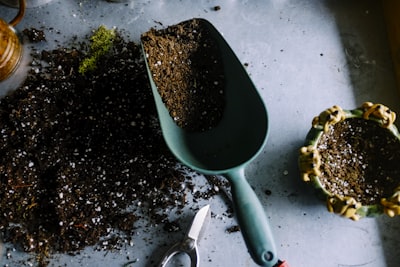
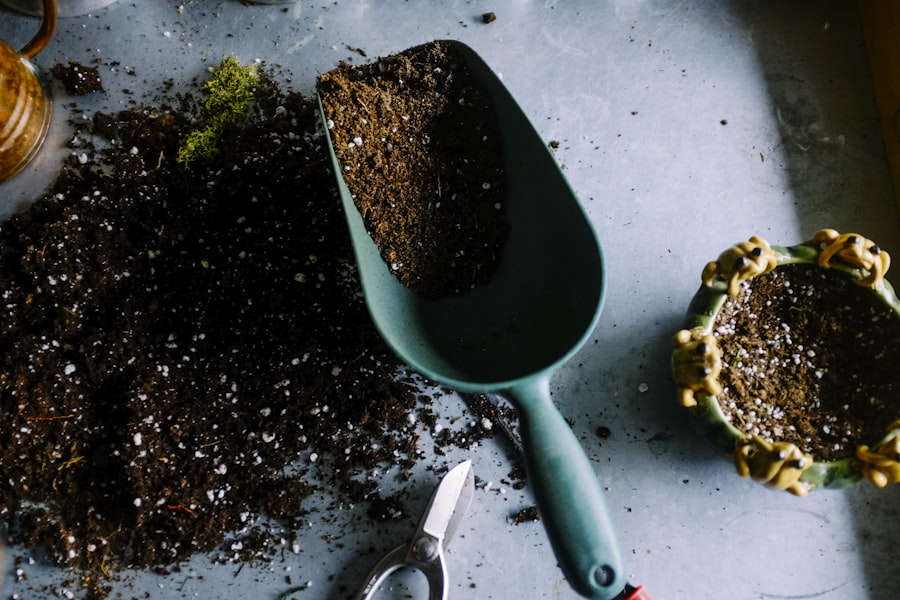
Well-draining potting mix. A mix formulated for palms or a general indoor mix with extra perlite works well.
Temperature
Most prefer 65–80°F (18–27°C). Protect from cold drafts and temperatures below 50–55°F depending on the species.
Humidity
Higher humidity helps prevent brown leaf tips. Mist regularly or use a humidifier if the air is dry.
Pruning
Only remove completely brown or dead fronds. Never cut the top growing point of a single-trunk palm.
Propagation
Most palms are grown from seed, which can be slow. Some clumping types can be divided carefully.
Common Problems
- Brown leaf tips – Low humidity, underwatering, or fluoride in water.
- Yellow fronds – Often overwatering or nutrient deficiency.
- Spider mites – Common in dry indoor conditions; increase humidity and treat if needed.
Interesting Facts
- Palms are monocots, more closely related to grasses than to typical trees.
- The Kentia Palm was a favorite in Victorian homes and is still one of the most elegant indoor palms.
- Some palm species can live for many decades with proper care.
- Not all palms are tropical — a few species are surprisingly cold-hardy.