Overview
Snake Plant (Sansevieria trifasciata) is a succulent perennial native to West Africa. It is famous for its upright, sword-like leaves with yellow or white edges and its extreme tolerance of low light and irregular watering. NASA studies have also shown it helps purify indoor air.
Care Guide
Light
Tolerates low light but grows best in bright, indirect light. Avoid harsh direct sun which can scorch the leaves.
Water
Water only when the soil is completely dry. In winter, water even less. Overwatering is the most common way to kill a Snake Plant.
Soil
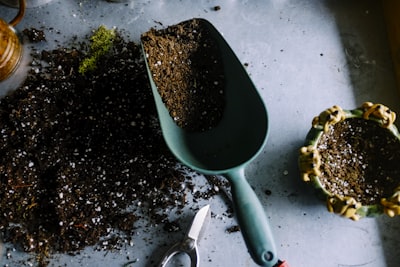
Use a well-draining potting mix, ideally a cactus or succulent blend. Good drainage is essential.
Temperature
Prefers 60–85°F (15–29°C). Protect from temperatures below 50°F (10°C).
Fertilizer
Feed lightly once or twice during the growing season with a balanced houseplant fertilizer. Not required often.
Pruning
Remove damaged or yellow leaves at the soil line. The plant rarely needs regular pruning.
Propagation
Snake Plants are very easy to propagate by leaf cuttings or division:
- Cut a healthy leaf into 3–4 inch sections.
- Let the cut ends dry for a day or two.
- Place the cuttings in water or directly into moist soil.
- Roots usually appear in a few weeks.
- Division of the rhizome is even faster if the plant has multiple clumps.
Common Problems
- Root rot – Almost always caused by overwatering.
- Yellow or mushy leaves – Sign of too much water.
- Wrinkled leaves – Usually means the plant is too dry.
- Brown tips – Can be caused by fluoride in tap water or very low humidity.
Interesting Facts
- It is one of the best plants for purifying indoor air.
- Snake Plants release oxygen at night, making them good bedroom plants.
- They can survive months without water if necessary.
- There are many cultivars, including the popular cylindrical “Cylindrica” and the dwarf “Hahnii”.