Overview
Orchids are one of the largest plant families on Earth. The most common type sold as a houseplant is the Phalaenopsis (Moth Orchid). Unlike most plants, many orchids grow on trees in nature and prefer airy roots and excellent drainage.
Care Guide
Light
Bright, indirect light is ideal. An east-facing window works well. Avoid direct midday sun.
Water
Water once a week by soaking the pot for 10–15 minutes, then letting it drain completely. Never let the plant sit in water.
Soil / Medium
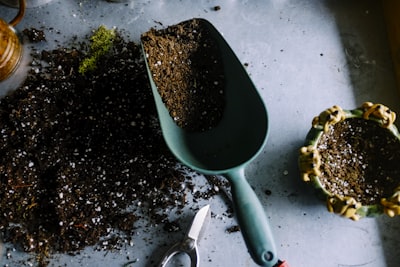
Use a special orchid bark mix. Regular potting soil will kill the roots.
Temperature
Daytime 65–80°F (18–27°C), slightly cooler at night. Avoid cold drafts.
Fertilizer
Use a balanced orchid fertilizer at half strength every 2–4 weeks during active growth.
After Blooming
Cut the flower spike just above a node. Many Phalaenopsis will produce a secondary bloom from the same spike.
Repotting
Repot every 1–2 years or when the bark breaks down. The best time is after flowering when new roots appear.
Common Problems
- Yellow leaves – Often normal aging of older leaves, or too much light/water.
- Wrinkled leaves – Usually underwatering or root problems.
- No blooms – Needs more light or a slight temperature drop at night.
- Root rot – Caused by poor drainage or constant moisture.
Interesting Facts
- There are more than 25,000 species of orchids.
- Vanilla comes from an orchid (Vanilla planifolia).
- Some orchids can live for decades with proper care.
- Phalaenopsis flowers can last 2–3 months on the plant.