Overview
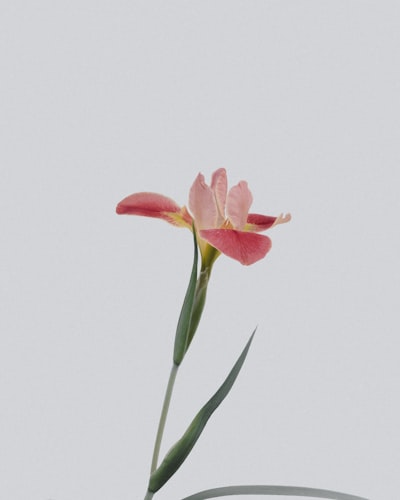
Plumeria (commonly called Frangipani) is a genus of flowering tropical trees and shrubs native to Central America, Mexico, and the Caribbean. They have been widely naturalized across Hawaii, Southeast Asia, and other tropical regions. The five-petaled, waxy flowers come in white, yellow, pink, red, orange, and multi-colored forms, and are especially fragrant in the evening.
Although often associated with Hawaii, Plumeria is not native there — it was introduced in the 19th century and quickly became the flower of choice for traditional leis.
Care Guide
Light
Needs at least 6 hours of direct sunlight daily. Full sun produces the most blooms and strongest fragrance. In very hot climates, light afternoon shade is acceptable.
Water
Water thoroughly when the top 1–2 inches of soil feel dry. Reduce watering significantly in winter when the plant is dormant. Never let the roots sit in soggy soil.
Soil
Well-draining, slightly acidic to neutral soil (pH 6.0–7.0). A cactus or succulent mix with added perlite works well for containers. Avoid heavy clay soils.
Temperature
Thrives in 65–90°F (18–32°C). Protect from temperatures below 50°F (10°C). Bring container plants indoors before the first frost.
Fertilizer
Feed with a high-phosphorus fertilizer (e.g., 10-30-10) every 2–3 weeks during the growing season to encourage flowering. Stop fertilizing in fall and winter.
Pruning
Prune in late winter or early spring before new growth begins. Remove dead or crossing branches. Wear gloves — the milky sap can irritate skin and eyes.
Propagation
Plumeria is most commonly and easily propagated from stem cuttings:
- Take a 12–18 inch cutting from a healthy branch in spring or early summer.
- Allow the cut end to dry and callous for 5–7 days in a shaded, dry place.
- Dip the end in rooting hormone (optional but helpful).
- Plant in well-draining mix and keep warm (70–80°F). Roots usually form in 4–8 weeks.
- Water sparingly until new growth appears.
Common Problems
- Root rot – Caused by overwatering or poor drainage. Let soil dry between waterings.
- Plumeria rust – Orange pustules on leaf undersides. Improve air circulation and remove affected leaves.
- Spider mites & mealybugs – Treat with insecticidal soap or neem oil.
- No flowers – Usually due to insufficient light, too much nitrogen, or the plant is still too young.
Interesting Facts
- The flowers produce no nectar — they attract pollinating moths purely with intense fragrance.
- In many cultures, Plumeria symbolizes positivity, new beginnings, and immortality.
- The milky sap contains compounds that can be toxic if ingested and may irritate skin.
- There are over 100 named cultivars with a wide range of flower colors and forms.