Overview
Banana plants are not true trees — they are giant herbaceous perennials. They grow rapidly in warm weather and produce a pseudostem made of tightly packed leaf sheaths. After fruiting, the main stem dies and is replaced by new pups (suckers).
Care Guide
Light
Full sun is ideal. At least 6–8 hours of direct sunlight for best growth and fruiting.
Water
Keep the soil consistently moist. Bananas are heavy drinkers, especially in hot weather. Do not let them dry out completely.
Soil
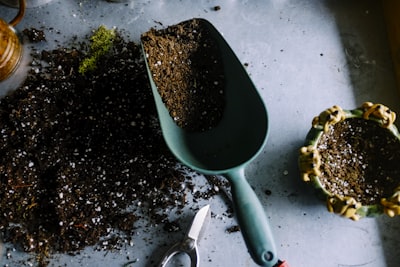
Rich, well-draining soil high in organic matter. They love fertile conditions.
Temperature
Prefer 75–95°F (24–35°C). Growth slows below 60°F. Protect from frost or bring containers indoors.
Fertilizer
Feed regularly with a high-potassium fertilizer during the growing season. They are heavy feeders.
Pups
Remove excess suckers to focus energy on the main stem if you want fruit. Leave a few for the next generation.
Propagation
Propagated by dividing pups (suckers) from the base of the plant. Wait until the pup has its own roots before separating.
Common Problems
- Split leaves – Normal in windy conditions; not usually a problem.
- Yellowing leaves – Can be overwatering, underwatering, or nutrient deficiency.
- Cold damage – Leaves turn brown and collapse if exposed to frost.
Interesting Facts
- Banana plants can grow from a pup to fruiting size in as little as 9–18 months in ideal conditions.
- The “trunk” is not wood — it is made of leaf bases.
- After a stem produces fruit, it dies and is replaced by new pups.
- There are ornamental varieties grown only for their colorful leaves.