Overview
Bonsai originated in China and was refined in Japan. It involves growing trees and shrubs in small containers while carefully controlling their growth through pruning, wiring, and root management to create the appearance of a mature tree in miniature.
Care Guide
Light
Depends on the species. Most outdoor bonsai need full sun; indoor tropical types prefer bright indirect light.
Water
Water thoroughly when the surface of the soil begins to dry. Never let the root ball dry out completely.
Soil
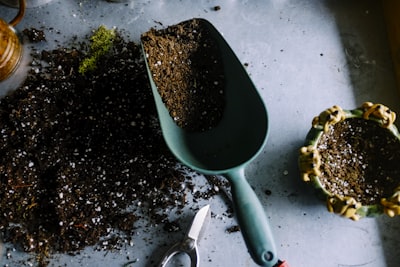
Use a specialized free-draining bonsai mix. Ordinary potting soil is usually too dense.
Temperature
Match the needs of the species. Temperate trees need a winter dormancy period; tropical types prefer stable warmth.
Pruning & Wiring
Regular pruning of roots and branches maintains size and shape. Wiring is used to guide branch direction.
Repotting
Repot every 1–5 years depending on age and growth rate. This is also when root pruning is done.
Popular Species
Common choices include Juniper, Japanese Maple, Ficus, Chinese Elm, Pine, and Jade. Beginners often start with hardy outdoor species or forgiving indoor Ficus.
Common Problems
- Drying out – Small pots dry quickly; check daily in warm weather.
- Overwatering – Poor drainage or watering too frequently leads to root rot.
- Weak growth – Insufficient light, nutrients, or root space.
Interesting Facts
- Bonsai is an art form as much as a horticultural practice.
- Some bonsai trees are hundreds of years old and have been passed down through generations.
- The word “bonsai” means “planted in a container.”
- It is not about dwarfing plants genetically, but about careful cultural techniques.