Overview
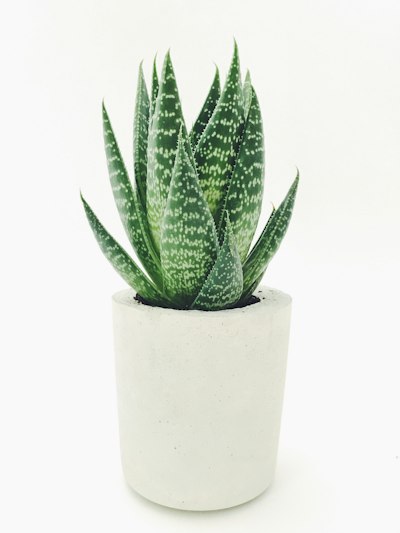
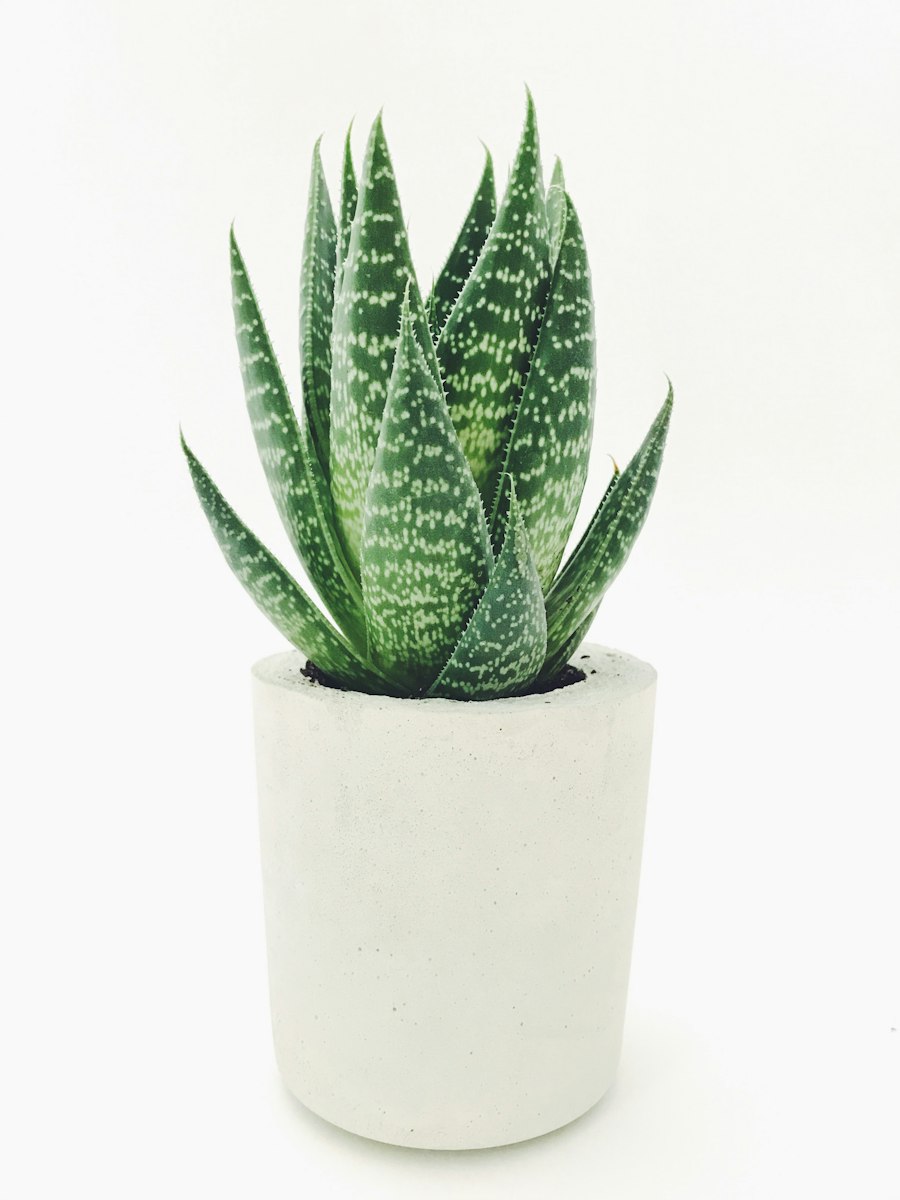
Agaves are native to the Americas, especially Mexico and the southwestern United States. They form dramatic rosettes of thick, fleshy leaves that often end in sharp spines. Most species flower only once after many years and then die, leaving behind offsets (pups).
Care Guide
Light
Full sun is best. Most agaves need at least 6 hours of direct sunlight daily to maintain their shape and color.
Water
Water deeply but infrequently. Allow the soil to dry out completely between waterings. Overwatering is the main cause of death.
Soil
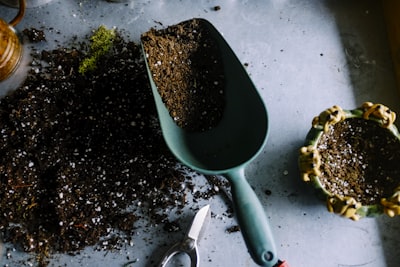
Very well-draining soil is essential. Use a cactus or succulent mix, or add plenty of grit and sand to regular soil.
Temperature
Most species prefer warm conditions. Some are hardy to light frost, but many need protection below 40°F (4°C).
Fertilizer
Feed sparingly. A light dose of cactus fertilizer once in spring is usually enough.
Safety
Many agaves have sharp spines. Handle with care and place them where people and pets will not brush against them.
Propagation
Most easily propagated by removing and planting the offsets (pups) that form around the base of the mother plant.
Common Problems
- Root rot – Almost always caused by overwatering or poor drainage.
- Soft or mushy leaves – Sign of too much water.
- Pale or stretched growth – Not enough light.
Interesting Facts
- Some species are called “Century Plants” because they were once thought to flower only once every 100 years (actually much sooner).
- Agave is the source of tequila and mezcal.
- The fibers of some species were traditionally used to make rope and cloth.
- After flowering, the main plant dies but usually leaves many pups behind.