Overview
Lychee is native to southern China and has been cultivated for thousands of years. It is a subtropical to tropical evergreen that needs a warm climate with a distinct cool (but frost-free) winter to flower and fruit well.
Care Guide
Light
Full sun is required for good flowering and fruit production.
Water
Keep the soil evenly moist, especially during flowering and fruit development. Avoid waterlogging.
Soil
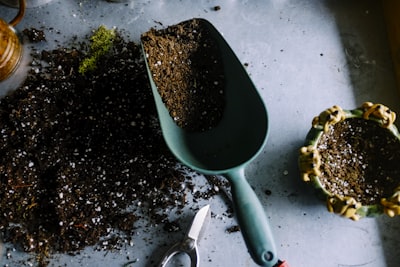
Prefers slightly acidic, well-draining soil rich in organic matter.
Temperature
Needs a tropical or warm subtropical climate. Protect from frost. A cool, dry winter helps trigger flowering.
Fertilizer
Feed regularly with a balanced fertilizer during the growing season. Avoid excessive nitrogen once the tree is mature.
Pruning
Light pruning after harvest to shape the tree and remove dead wood. Avoid heavy pruning.
Propagation
Usually propagated by air-layering or grafting. Seed-grown trees may take longer to fruit and may not be true to type.
Common Problems
- Poor fruiting – Often due to lack of a cool winter period, insufficient sun, or young age of the tree.
- Fruit drop – Can be caused by irregular watering or nutrient imbalance.
- Pests – Watch for mites, scales, and fruit flies in some regions.
Interesting Facts
- Lychee has been cultivated in China for more than 2,000 years.
- The fruit has a rough, pink-red skin and sweet, floral-tasting flesh.
- It is closely related to longan and rambutan.
- Fresh lychees are highly perishable and best eaten soon after harvest.